Why Cooperative Multiplayer Games Are the Future of Online Gaming
The Rise of Multiplayer Games
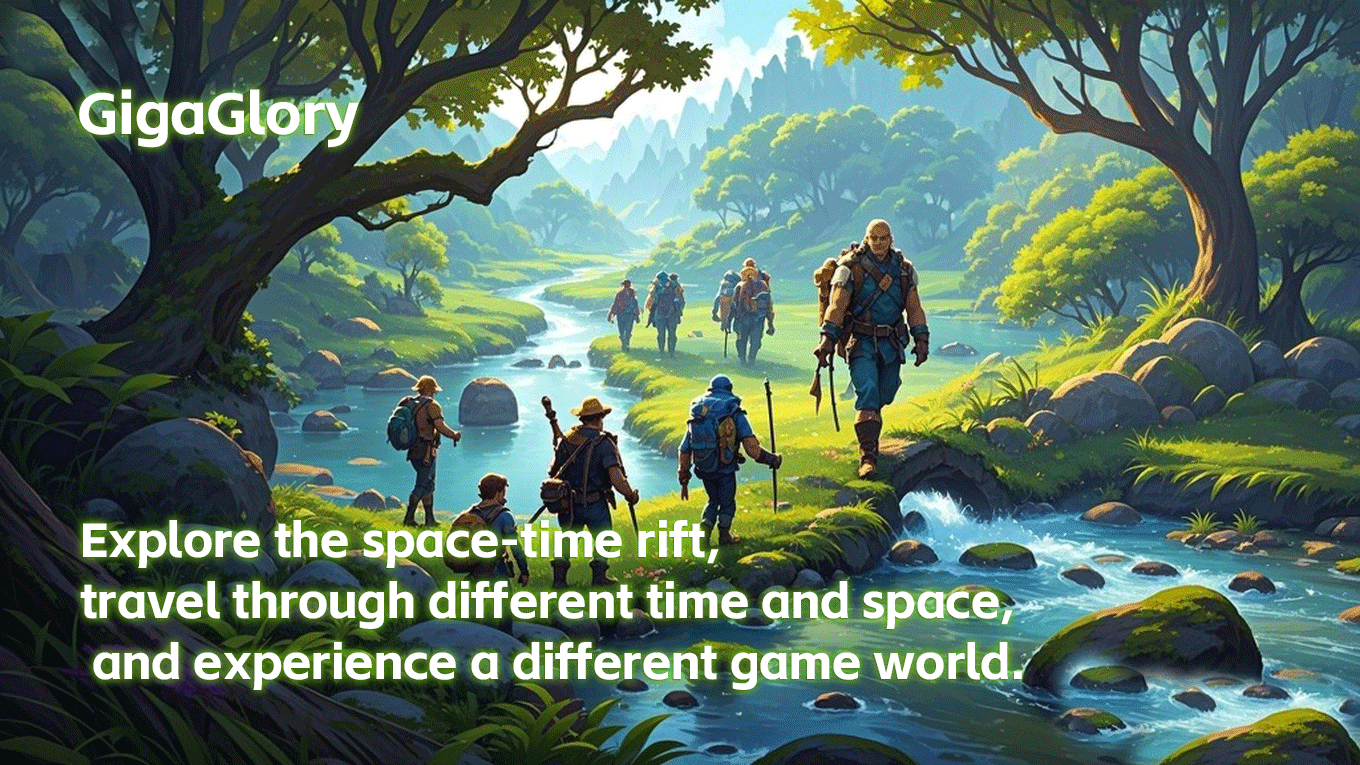
As gaming has evolved, multiplayer games have become a cornerstone of the industry. With the advent of better internet speeds, more players are connecting with each other from around the world. Imagine diving into a fantastical universe with friends, laughing and strategizing together in real time. This collaborative experience is not just a trend; it’s a shift in how games are designed and played.
What Makes Cooperative Games Different?
Cooperative (coop) games, unlike their competitive counterparts, encourage players to work together to achieve common goals. Instead of pitting players against one another, they promote teamwork and collective problem-solving. Popular titles, such as Mario Odyssey, have shown that bringing players together, like adventuring through Mushroom Kingdom or solving intricate puzzles, magnifies the gaming experience.
The Emotional Connection in Coop Games
One of the biggest appeals of cooperative multiplayer games is the strong emotional bond they forge among players. Working together to triumph over challenges not only enhances enjoyment but also creates memorable moments. This emotional resonance can keep players coming back for more.
Market Potential of Cooperative Games
The market for multiplayer games is skyrocketing. Studies show that almost 60% of the gaming community engages in multiplayer formats. More developers are recognizing this and pivoting to create games that prioritize cooperative play. This trend indicates that the future of gaming could very well be cooperative.
The Social Aspect of Gaming
In today’s fast-paced world, people seek social connections. Multiplayer games provide an avenue for players to bond, regardless of geographic boundaries. A recent survey revealed that around 70% of players feel more connected to friends and family through gaming.
Engaging Examples of Successful Cooperative Games
- Left 4 Dead: Team up to survive against hordes of zombies.
- Overcooked: Cook in chaotic kitchens with friends.
- It Takes Two: A unique adventure designed for two players.
Challenges in the Development of Coop Games
While the future seems bright, there are challenges. From balancing gameplay to ensuring a smooth connection, developers face various obstacles in creating enjoyable coop experiences. However, overcoming these challenges often results in innovative solutions.
Inclusivity in Multiplayer Experiences
Cooperative games are often designed to be inclusive, making them accessible to players of varied skills. This is particularly evident in titles like Mario Puzzle, where players can choose their level of involvement, promoting engagement for all.
Analyzing Player Profiles
| Player Age Group | Percentage Engaged in Coop Games |
|---|---|
| 18-24 | 75% |
| 25-34 | 65% |
| 35-44 | 50% |
Community Building Through Multiplayer Games
Another key advantage of cooperative multiplayer games is the community it fosters. Players often form lasting friendships, resulting in online groups, forums, and events centered around specific games.
How Cooperative Games Encourage Skill Development
Cooperative gameplay challenges players to improve their skills. You’re not just playing for yourself; your performance impacts others. This shared responsibility heightens engagement and accountability.
The Role of Streaming and Content Creation
Platforms like Twitch and YouTube have amplified the appeal of cooperative games. Players share their experiences, strategies, and funny moments with a global audience, drawing more people into these engaging worlds.
The Future: Technology and Cooperative Gameplay
Looking ahead, advancements in technology promise even richer cooperative experiences. From virtual reality (VR) to augmented reality (AR), the potential for immersive multiplayer experiences is endless.
Building a Cooperative Gaming Tier List
Let's consider tier lists for survivability and adaptability in coop games. Games like Last War stand out due to their mechanics:
- **S Tier**: Seamless teamwork and innovative mechanics.
- **A Tier**: Requires coordination but offers good rewards.
- **B Tier**: Fun but may have imbalances.
Conclusion: A Bright Future Ahead
As more players embrace cooperative experiences, it’s clear that multiplayer games are becoming the backbone of online gaming. The emotional connections, community building, and advancement in technology all point toward a thriving future for cooperative gaming. So next time you pick up a controller or log in to a game, remember: teamwork makes the dream work!